Informing sustainability ambition into meaningful action
Through our integrated expertise in Net Zero & Climate Positive, Resilience & Adaptation, Circular Economies, Ecosystems & Resources, and Social Value, we help you drive change that’s bold, regenerative, and built to endure. Read more about our services here.
Net Zero & Climate Positive
We quantify carbon emissions, develop decarbonisation options and co-create potential reduction pathways. We support progressive organisations to become climate positive.
Resilience & Adaptation
We work with people to understand and develop strategies to cost effectively address climate risks (and opportunities!)
Circular Economies
We analyse flows of energy and mass to develop circular economy approaches that offer organisational value and are good for society.
Ecosystems & Resources
We work with organisations, large and small to understand how they can build regenerative ecosystems that deliver both public and private goods.
Social Sustainability
We understand how actions directly or indirectly affect employees, workers in the value chain, customers and local communities to deliver value.
Integrated Sustainability
We take a holistic approach to sustainability, integrating principles across the full range of our services to create long-term value.
Trusted by leading organisations across sectors
From cultural institutions to local authorities, nature charities to global brands—our work is rooted in collaboration with those driving meaningful change.
Our Work in Action
See how our approach translates into measurable results — dive into the stories behind our most impactful projects.
UKRI, aiming for net zero carbon emissions by 2040, commissioned 3ADAPT to review the UK carbon funding landscape to support decarbonisation projects. 3ADAPT analysed over 30 funding streams applicable to various project types, including renewables, low-carbon transport, and research infrastructure. The final report guides UKRI staff to suitable funding options, helping UKRI identify and leverage new opportunities to decarbonise and meet their sustainability goals across scope 1, 2, and 3 emissions.
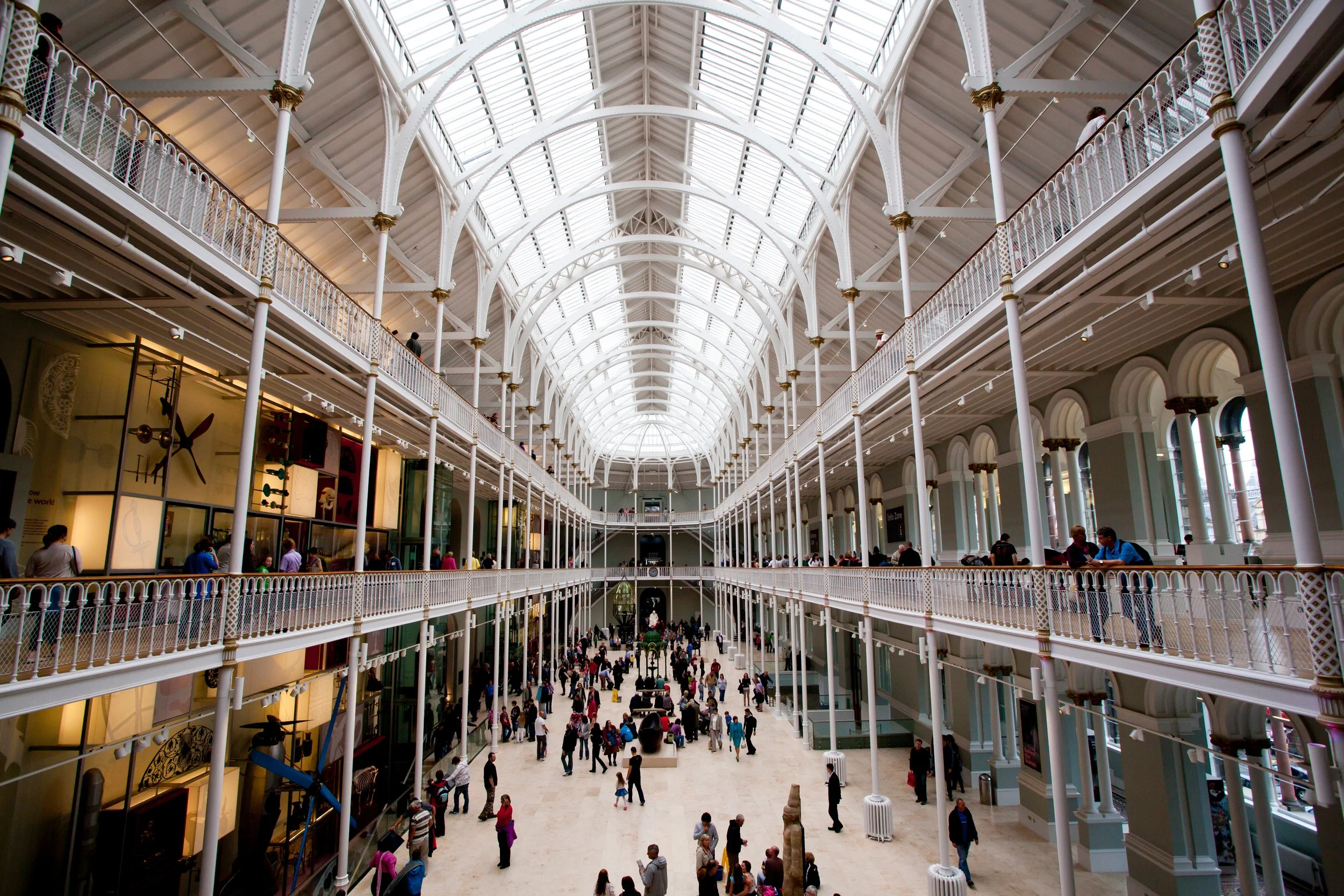
3ADAPT assisted the National Lottery Heritage Fund (NLHF) in assessing emissions from its £250 million annual investment in the Heritage Sector. This involved creating a baseline carbon footprint for 2019/20 and establishing a decarbonisation pathway in line with the Science Based Target Initiative (SBTI). 3ADAPT analysed 50 representative projects and engaged with 12 organisations to understand carbon drivers, challenges, and opportunities. The project improved emissions modelling for projects and provided recommendations for incorporating emissions data into NLHF's funding process, supporting sector-wide decarbonisation effort
The National Centre for Atmospheric Science (NCAS), in collaboration with 3ADAPT, recently quantified its carbon footprint for the first time. This project established a carbon baseline, set emissions reduction targets, and developed decarbonisation pathways. With over 200 staff and specialized research facilities, NCAS required a tailored approach to measure its scope 1, 2, and 3 emissions. Decarbonisation scenarios explored options like alternative fuel for aircraft, wind tunnel efficiencies, and on-site renewables. A comprehensive strategy was developed to guide NCAS in achieving Net Zero while maintaining research capacity.
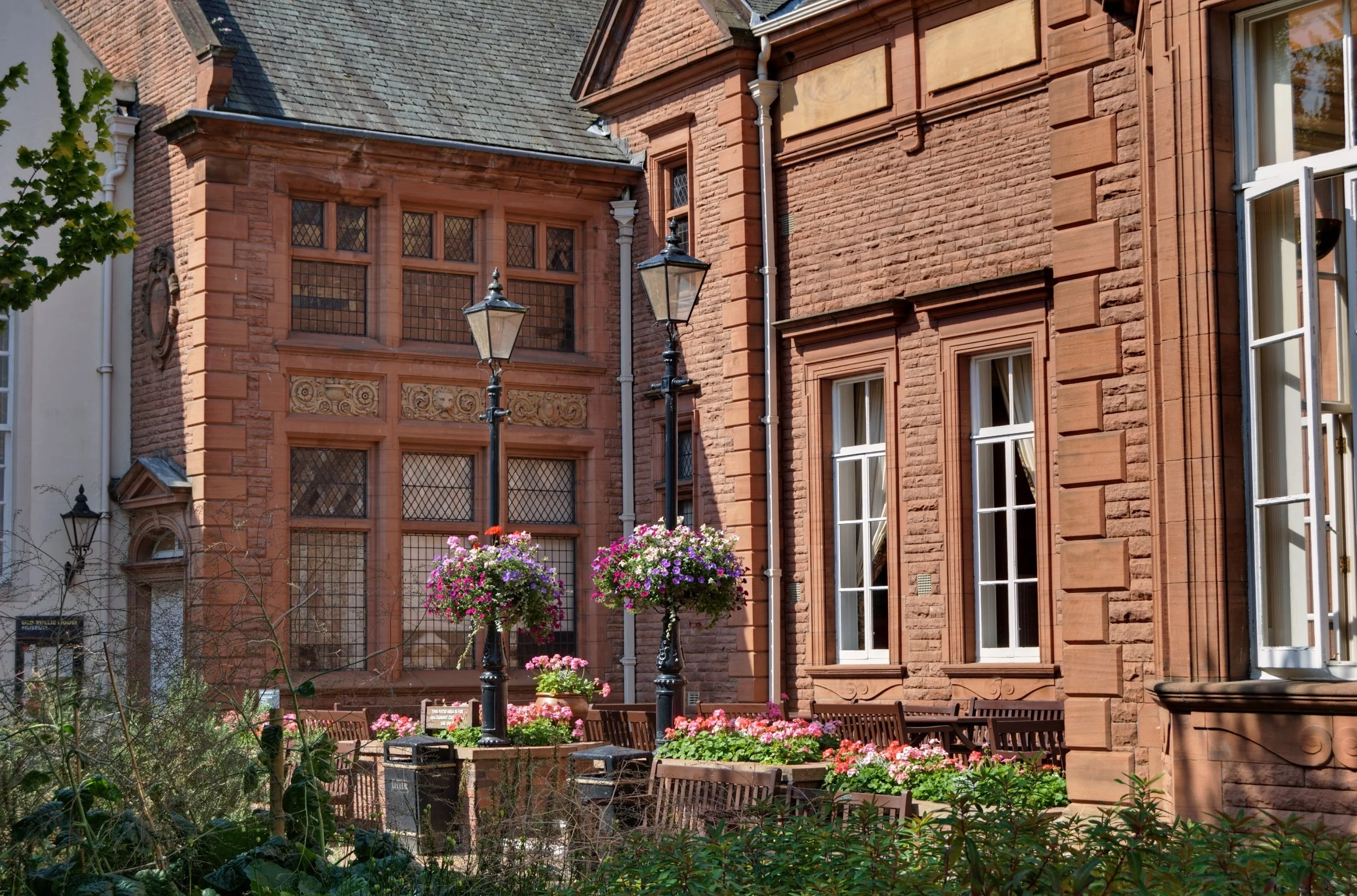
3ADAPT supported Tullie House to develop its first Sustainability Strategy and Action Plan, supporting a National Lottery Heritage Fund (NLHF) submission. A review of existing documents, as well as exploration of sector best practice, was undertaken to assess maturity and identify opportunities. The resulting strategy, structured around seven key themes, outlined achievements, challenges, and proposed actions. The action plan included around 60 actions with assigned responsibilities, deadlines, and metrics to track progress.
3ADAPT supported Historic Environment Scotland (HES) in reviewing and improving data on visitor travel emissions to assist in their Carbon Management Plan. By conducting interviews, workshops, and reviewing datasets, 3ADAPT provided recommendations for better data collection and estimating emissions, while also considering the unique challenges of HES's dispersed sites and encouraging sustainable travel.
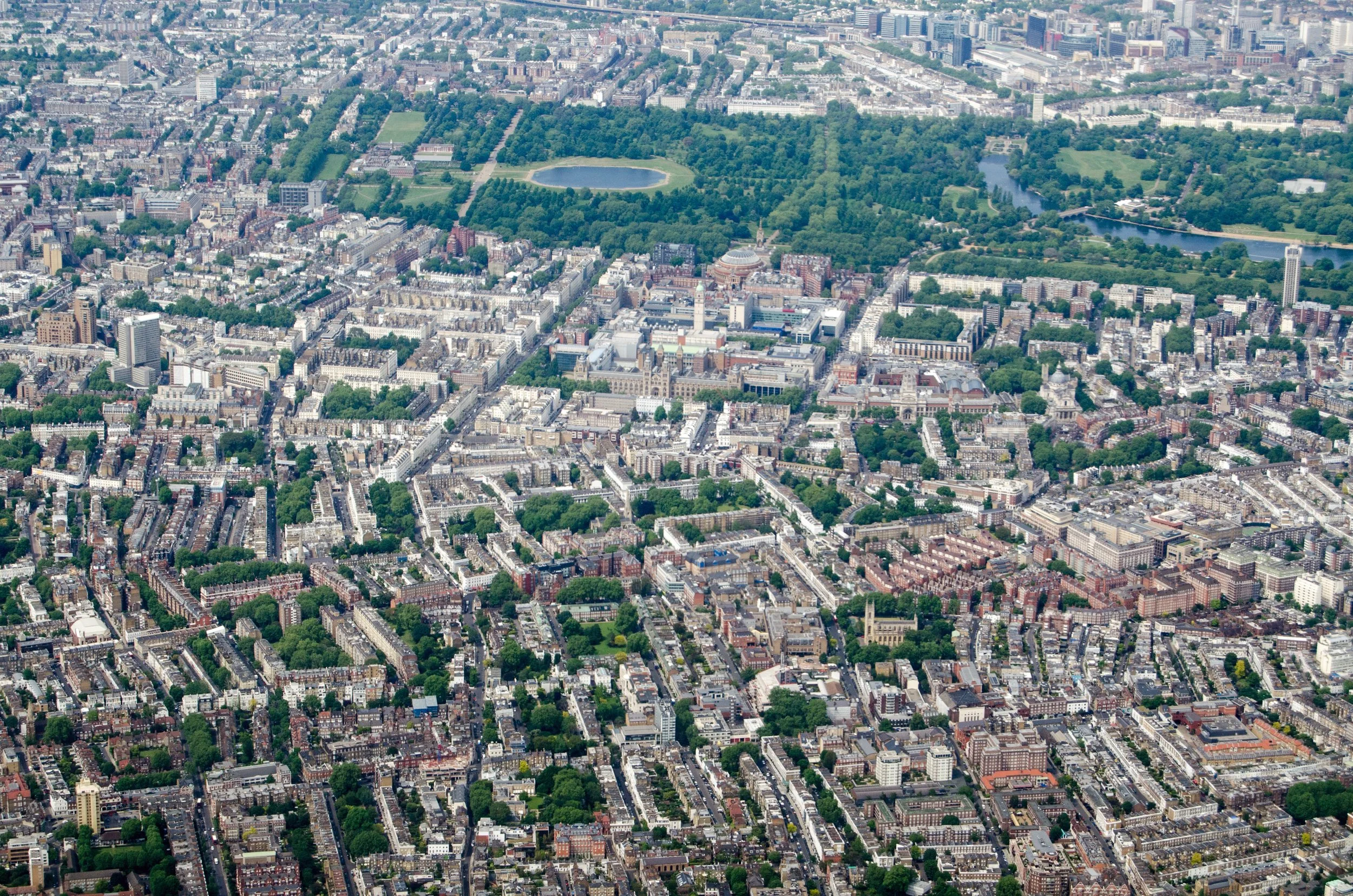
The Exhibition Road Cultural Group (ERCG), comprising 23 leading cultural and educational organisations in South Kensington, partnered with 3ADAPT to advance sustainability across the neighbourhood. Through a collaborative programme, 3ADAPT developed a shared sustainability vision, goals, and a group carbon footprint report, supported by a PowerBI dashboard to track progress. This work included upskilling members, aligning procurement practices, and fostering cross-organisational collaboration. By establishing robust governance and tools, the South Ken ZEN+ initiative empowers ERCG members to accelerate decarbonisation and achieve a Zero Emissions Nature Positive future.
3ADAPT has been working with Oxford University’s Gardens, Libraries, and Museums (GLAM) to develop a carbon baseline across scopes 1, 2, and 3, explore net zero targets, and create a decarbonisation strategy. The project spanned three phases, starting with the Ashmolean Museum and expanding to other GLAM departments. 3ADAPT engaged over 40 stakeholders to quantify emissions across seven departments and 50 buildings, focusing on complex sources like visitor and object travel. Workshops and focus groups helped develop tailored decarbonisation plans for each department, outlining key actions for the next 1-2 years.
3ADAPT supported the Royal Botanical Gardens, Kew (RBG Kew) in decarbonising its procurement function, which accounts for about 50% of its carbon footprint, to help achieve its 2030 Climate Positive target. This involved a detailed analysis of procurement data, identification of key suppliers, and development of sustainable procurement practices. 3ADAPT created carbon-focused expectations for suppliers, designed interventions to gather sustainability data, and produced guidance for staff to embed sustainability into procurement policies and tender processes, aligning with RBG Kew's climate and social value goals.
3ADAPT created a carbon footprint assessment for the Museum of London (MoL), establishing a baseline for scope 1, 2, and 3 emissions across three sites, including one under construction. This involved collaboration with a number of stakeholders to explore relevant data sources and quantify emissions. Carbon reduction targets were explored in alignment with the Science Based Targets initiative, considering MoL's specific challenges, such as new museum construction and London's broader decarbonisation efforts. The next phase will focus on developing a comprehensive decarbonisation strategy for MoL’s operations and assets.
3ADAPT supported UKRI in conducting an evidence review of carbon offsetting to inform an update of their position statement. 3ADAPT reviewed carbon offsetting at various scales, assessed current UKRI-funded research, and identified areas requiring further research. They also explored alternative mechanisms like carbon pricing and climate contributions. The review included analysis of the voluntary carbon market, providers, and best practices, resulting in recommendations for UKRI to achieve its 2040 net zero target.
3ADAPT have been working with the Woodland Trust to develop a robust carbon baseline, building on their existing SECR reporting to cover scope 1, 2 and 3 emissions as well as removals, storage and emissions associated with their land. Geospatial data was used to create an interactive dashboard of the Woodland Trusts land holding. The work included exploration of methodologies for setting carbon reduction targets and the development of a comprehensive decarbonisation strategy covering both land and non-land emissions.
Our Insights
Catch the latest news, thought leadership, and expert commentary.
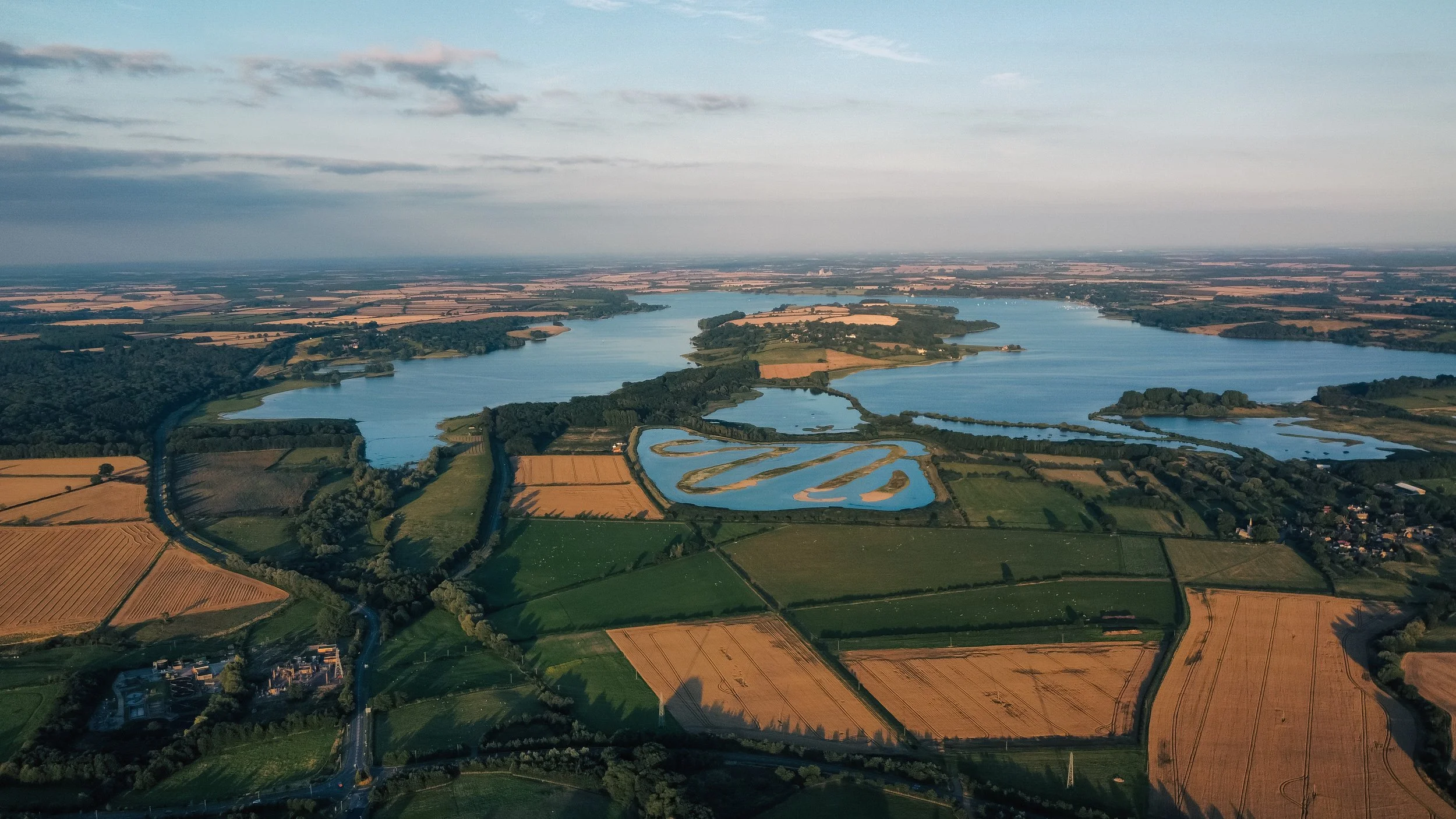
The Water Commission’s Final Report has sparked headlines for its bold regulatory overhaul — but the implications for land use run deeper. With water company land now central to climate resilience, infrastructure planning, and public trust, land teams face new expectations. In this blog, we explore 10 key takeaways from the report that will shape how land is managed, valued, and justified — and how LANDARNA can help you turn strategy into credible, evidence-led action.
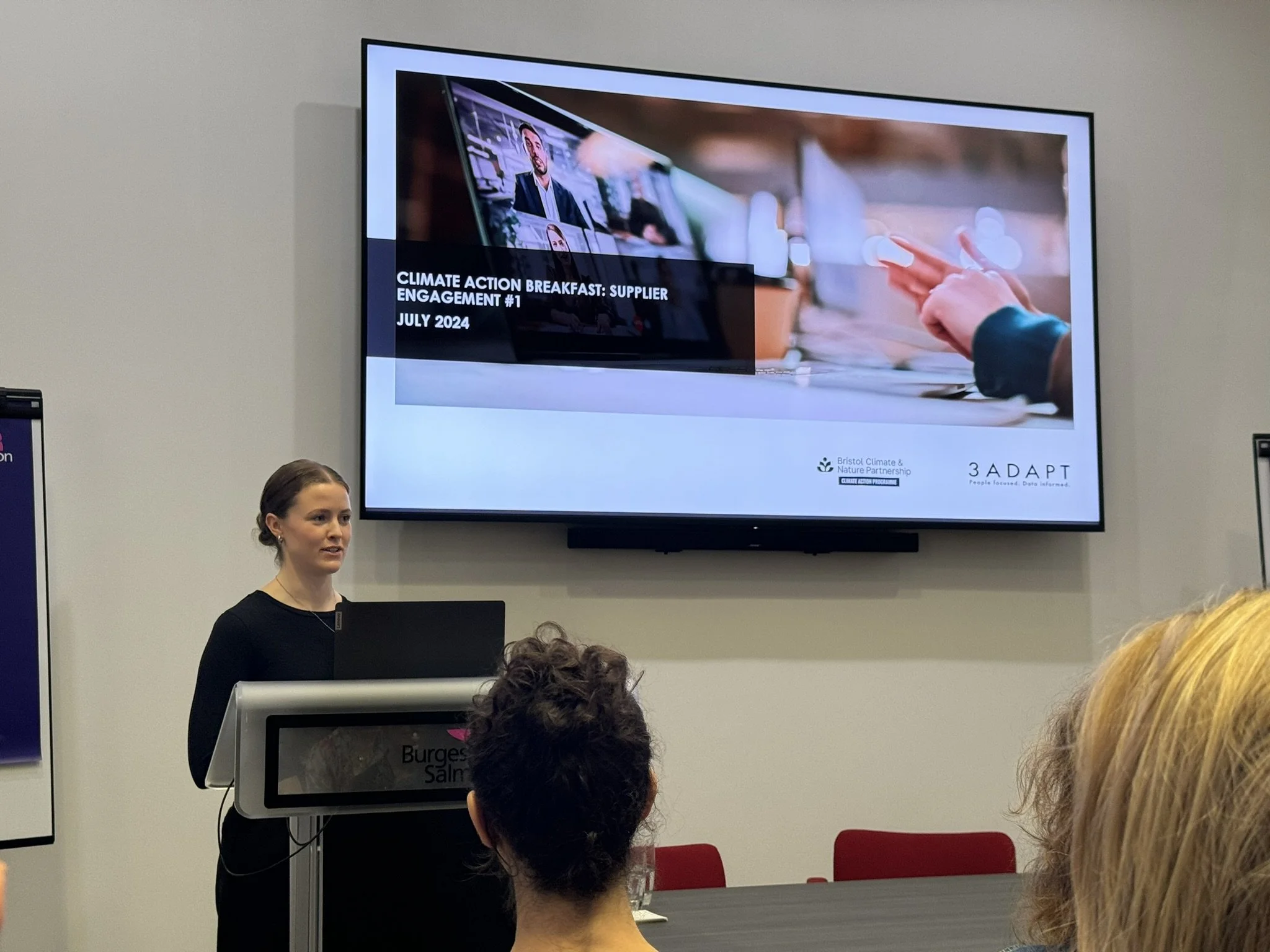
At 3ADAPT, we work with public, private and third sector organisations to decarbonise, adapt to climate change and manage their sustainability impacts. One of the most challenging areas that comes up time and time again is reducing impacts across an organisation’s supply chain. Typically, this is where the largest source of emissions are driven from, whilst also being the most challenging to tackle due to the nature of primarily being outside of an organisation’s direct control.
Reflections from Utility Week Live 2025 at the NEC: why the future of utilities hinges on embracing AI, biodiversity, and customer engagement — and how tools like LANDARNA can help turn shared challenges into real opportunities.
On Friday, 6th January, the European Copernicus Climate Service confirmed a sobering milestone: 2024 is the first calendar year to exceed the critical 1.5°C global temperature threshold. This marks a significant turning point in our global climate crisis, underscoring the urgent need for adaptation and action. Read our blog on how organisations can adapt and become more resilient in a changing climate.
The last few years have seen a significant shift in where organisations are focusing their sustainability efforts. Many of our clients have begun to move from simply accounting for carbon emissions to taking action to reduce them. For many organisations, net zero target years are fast approaching and there is an urgent need to address emissions. With procurement often being one of, if not the, largest source of emissions for most organisations, there is a growing focus on establishing processes for sustainable procurement and beginning to engage with suppliers.
The recent election has paved the way for the new government to bring their promises to life. This transformation requires expertise and innovative solutions. At 3ADAPT, we've helped some of the UK’s largest landowners develop impactful strategies. Our cutting-edge software, Landarna, merges vast datasets with our experience in development, renewables, and nature-based solutions. Here’s how Landarna can bolster the new government's agenda.
I have always felt a strong sense of restlessness with injustice and particularly discrimination that affects many peoples’ lives so deeply. As a woman, through my own experience or that of others, I have realized the effects of sexism, misogyny and patriarchy that is still very much damaging our society today but that is often overlooked, and I’ve felt driven to address it.
The best visitor destinations aren’t just for visiting.
Rather, they have the potential to create significant cultural, social, environmental and financial value – now, and for years to come. They can connect with and inspire hard-to-reach audiences. They can generate income and improve livelihoods. They can experiment, innovate and pioneer change.
But how?
The bioresources sector is quickly gaining traction and possesses vast future growth potential; in 2016 the UK waste and recycling sectors generated a turnover of £18.1 bn, with a gross value added (GVA) of £6.7 bn [1].However despite the UK producing 200 million tonnes per year, currently only 55% is either recycled for further use (44%), recovered (10%) or used for energy recovery (1%).[2] The remaining portion of this market represents a significant opportunity to sustainably capture and fully realise resource value. In this blog we share the four key themes emerging from the conference and what they mean for the industry.
The International Well Building Institute (IWBI) provides one of the world’s leading standards to improve health and wellbeing through the design and operation of the built environment. Based on significant multi-disciplinary research with input from both health and built environment professionals, the standard provides seven key concepts to help create healthier and more productive environments and cultures.

As the year draws to a close, I’ve been reflecting on the key sustainability signals we’ve encountered in our work at 3ADAPT throughout 2024 and what they might mean for 2025. Over the past year, our collaborations with leading organisations on climate adaptation, carbon management, nature-based solutions, and social value have provided unique insights into the emerging trends shaping the sustainability landscape.
Looking ahead to 2025, I see ten interconnected trends that will shape how businesses, institutions, and local authorities approach sustainability. These trends reflect a growing demand for integrated, data-informed solutions that deliver environmental, social, and economic value.